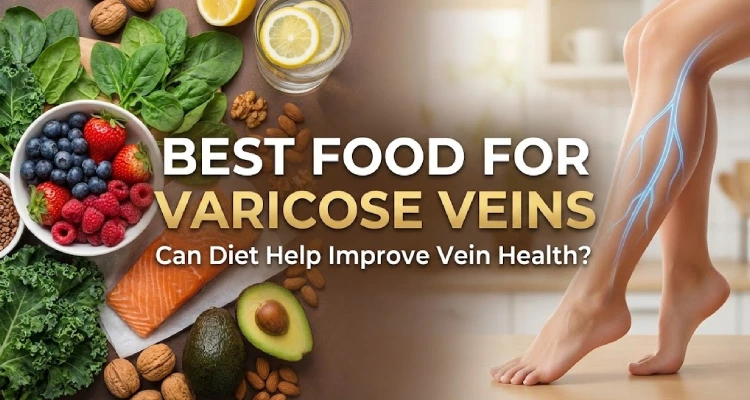
What you consume has an impact on your health, and that includes your veins, too. The foods you intake can help alleviate the pain and swelling of varicose veins and can help keep other veins comfortable and in good health. On the other hand, there are some foods that can actually trigger problems related to the veins. Consuming the right food for varicose veins can enhance the blood flow and make the legs light and comfortable.
Fruits, vegetables, whole grains, and fats can help veins, support medicine and a good lifestyle. Nevertheless, some foods like salt and other processed and sweet foods have a tendency to cause more swelling or heaviness in the legs.
Know which certain foods can be used with the meals we take is important, as well as those that need restrictions in this varicose veins guide clearly.
What are Varicose Veins?
Varicose veins are abnormal and enlarged veins that are mostly found on the feet and legs. These veins are characterised by the failure of the valves or the inner walls of the blood vessels. Instead, the blood remains stationary inside the veins. Due to the difficulty experienced by the blood in flowing upwards and reaching the normal positions near the heart, the varying vessels become enlarged and visible under the skin.
Eventually, the vessels become dark red and purple and feel raised or rope-like. The swelling of the veins causes pain, which results in discomfort. Fluid seeping into other tissues can lead to a bright skin condition and itching. Varicose veins take a long time to develop and often need lifestyle changes along with proper varicose veins diagnosis and treatment.
Why Diet Matters for Vein Health and Blood Flow
Like all other body parts, veins also require the necessary nutrition to remain healthy and smooth, and the question usually comes: Can diet help varicose veins? For instance, vitamins such as C, D, and E play an integral role in the strengthening of veins, antioxidants for the veins to remain safe on their own, fibre, apart from other uses, helps to reduce the pressure on the abdominal veins, thereby assisting the smooth return of blood to the legs.
Whereas some foods serve to support vein health, others tend to strain the veins. High sugar consumption, excess salt, bad fats, and alcohol may lead to water retention, plaque development, and poor circulation. The results increase the pressure inside the vein and make problems with one’s veins worse. A balanced diet tends to aid circulation, reduce pressure within vein walls, and may best manage early stage varicose veins symptoms.
Role of an Anti-Inflammatory Diet in the Case of Varicose Veins
Anti-inflammatory foods are quite valuable in helping deal effectively with varicose veins. These are the best food for varicose veins, assisting in soothing inflammation occurring in the veins as well as the surrounding tissue. Inflammatory conditions make the veins weaker and impair the valves of the veins. Hence, blood flow is even slower.
Anti-inflammatory action helps break this cycle. New circulation reduces the pressure in the veins. The anti-inflammatory diet to prevent varicose veins helps maintain the veins better, rather than just providing a solution for immediate symptoms.
Varicose Veins and Inflammation
Inflammation has a direct implication for the function of veins. The walls of the inflamed veins lose strength and their flexibility, which prevents the valves from closing well. Poor function of valves allows blood to flow backwards and collect inside the veins.
This pooling increases pressure and causes further inflammation and is responsible for continued vein damage. As time goes on, this becomes a worse cycle, and symptoms gradually get worse, as does the chance of complications arising, making a visit to a varicose veins doctor in Mumbai important.
Chronic inflammation has the capacity to
- Reduce Vein Wall Flexibility: Stiff veins struggle to handle blood flow
- Damage to Vein Valves: Faulty veins allow blood to pool
- Limit Oxygen and Nutrient Supply: Tissues heal slowly
- Cause Pain and Swelling: Pressure builds inside the veins
- Increase Risk of Clot Formation: Poor flow of blood sets the stage for clot formation
Each factor feeds into the next, making inflammation both a cause and result of varicose veins and increasing the risk of varicose veins complications and preventions.
How an Anti-Inflammatory Diet Can Help Varicose Veins?
The anti-inflammatory diet helps the veins as it soothes internal irritation and improves blood circulation, playing a supportive role alongside medical care, as explained in a varicose veins laser treatment guide.
Benefits include
- Less Inflammation: To protect the vein walls from damage
- Better Blood Flow: Prevents the accumulation of blood in the veins
- Strong Valves: This supports the flow of blood correctly
- Less Oxidative Stress: Reduces tissue damage
- Improved Elasticity: Aids in keeping veins supple
- Reduced Swelling: Limits fluid retention
- Lower Clot Risk: Promotes smoother flow
The best diet for varicose veins remains effective as long as the patient receives adequate medical support with regard to the control of systems.
Best Anti-Inflammatory Foods for Varicose Vein Relief
Green Leafy Vegetables
Green leafy vegetables are excellent for maintaining vein health due to their rich nutrient content. Magnesium helps relax blood vessels, improving circulation and reducing blood pressure. They also provide antioxidants and vitamins C and K, which support and protect the veins.
Berries
Berries contain powerful antioxidants that have beneficial properties in reducing inflammation as well as promoting good blood flow. Anthocyanins have properties that improve veins, thus protecting them from oxidative damage. Fibre has a beneficial impact on the digestive system, while vitamin C stimulates collagen formation.
Citrus Fruits
Citrus fruits aid in strengthening and circulatory support for your veins. Bioflavonoids improve the circulatory support to the veins because they enhance the support to the veins. Vitamin C increases the amount of collagen to improve the veins, making them firmer.
Nuts and Seeds
Nuts and seeds provide a store of omega-3 fatty acids that combat disease-provoking inflammation and promote blood flow. Magnesium and fibre strengthen veins in addition to vitamin E and zinc, promoting blood circulation.
Fatty Fish
Fatty fish would offer the required DHA and EPA, which are anti-inflammatory in nature and improve circulation. Such fats improve the inner layer of the veins and the walls of the veins. Vitamin D helps in maintaining the veins, while protein helps in the repair of tissues.
Avocados
Healthy fats present in avocados play a significant part in circulating our blood. Vitamin C and vitamin E play a crucial role in guarding our veins from injuries and also reduce swelling in them. Antioxidants have a considerable effect on oxidative damage, thus contributing to the elasticity of our veins.
Garlic
Garlic has also been noted to reduce inflammation as well as improve blood flow. Allicin in the bulb inhibits swelling enzymes from forming clots, while also preventing blood vessel destruction through antioxidant assistance. Blood thinners aid in the prevention of clots.
Ginger
Ginger has an anti-inflammatory property. It also helps relax the blood vessels. Blood circulation helps prevent the pooling of blood, which in turn prevents increased pressure in the veins.
Onions
Onions have quercetin and sulfur compounds that have an anti-inflammatory effect. Vitamin C is known to strengthen veins, while circulation can aid in faster recoveries.
Beets
The beets also provide antioxidants and nitrates, making them an important part of a diet and varicose veins management plan. Nitrates support the production of nitric oxide, which helps blood vessels relax and expand.
Pineapple
Pineapple contains bromelain, which reduces inflammation and improves circulation. It also dissolves fibrin, which can cause varicose veins. Vitamin C improves the elasticity of the veins.
Conclusion
A properdiet for varicose veins provides significant support in dealing with the situation, as it can reduce irritation from the condition as well as the progressing symptoms. At the same time, it is not clear whether the condition can be completely eliminated through dietary means alone. For sure, even if the situation can be improved through dietary means alone, the situation demands expert medical assistance. Expert medical support can be found at Dr. Kunal Arora Clinic, with the Vascular and Interventional Radiologist in Mumbai. Hehas over eight years of superspeciality and twelve years of overall professional experience in dealing with varicose veins and similar issues. Book an appointment with us today.