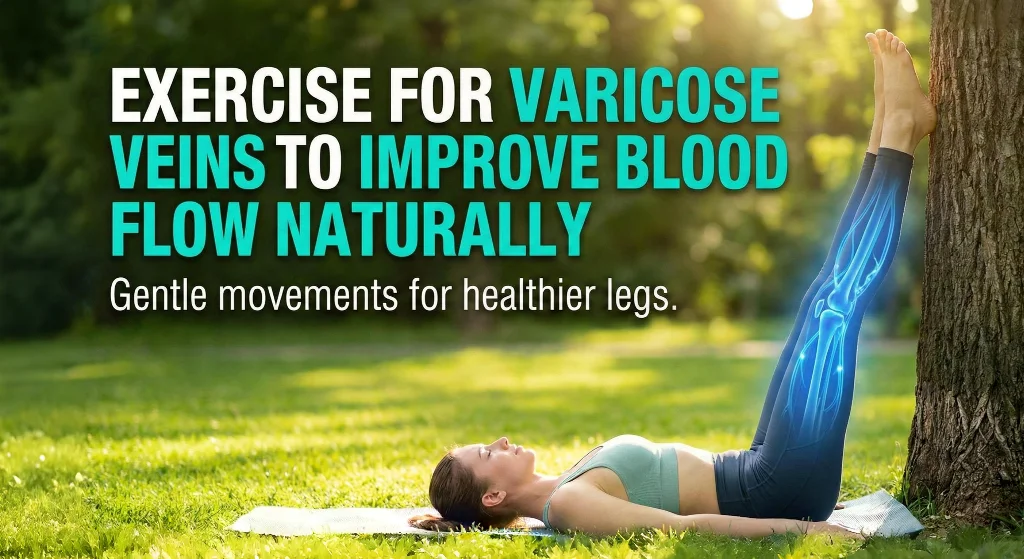
Spotting twisted veins on your legs and wondering if a simple workout can make them fade? Exercise seems like an obvious solution for improved blood flow. But the actual fix is based on the type of movement you choose. Gentle movement can get your blood flow going well and ease pressure on your veins.
On the other hand, heavy or high-impact exercise for varicose veins can put too much stress on your legs and worsen symptoms. Choosing the right type of workout can determine how your legs feel every day. Medical care matters too as a varicose veins doctor can evaluate your condition and recommend appropriate treatment and safe activities.
This varicose veins guide explores how exercise affects varicose veins and highlights routines that support healthier legs without adding unnecessary stress.
What are Varicose Veins?
Varicose veins are a chronic condition characterised by enlarged, twisted veins in the lower limbs caused by weakened vein valves that allow blood to flow backward and pool in the legs. This condition is extremely common among the adult population and gets progressively worse with age.
Many different factors contribute to developing varicose veins. Physical inactivity, prolonged periods of standing, ageing, genetic predisposition, and your family’s medical history all increase your risk of developing this condition. In addition, your daily activities and your movements also contribute to the function of your veins and when you will experience the early stage varicose veins symptoms.
What Causes Varicose Veins?
Varicose veins are primarily caused by chronic venous insufficiency. This condition occurs when the small valves inside the veins fail to function properly. These valves are meant to push blood upward toward the heart. When they weaken or fail, blood begins to flow backward and pool in the veins of the legs.
The backflow of blood creates a pooling effect in different parts of the venous system. The pooling of blood increases pressure inside the veins, which weakens the vein walls and causes them to become enlarged and twisted. Over time, this pressure alters the shape of the veins and leads to visible signs along with physical discomfort, which is why many people ask, does exercise help varicose veins, when trying to manage these symptoms.
Symptoms of Varicose Veins
Varicose veins can be identified as swollen, twisted veins on the lower leg. As time goes on, there are other symptoms associated with varicose veins.
- Redness and Swelling in the Legs: The area around the vein may be red, puffy and inflamed
- A Heavy Feeling in the Legs and Feet: People who have varicose veins often feel heavy legs after standing or walking for long periods
- Changes in Skin Colour: Your skin can develop dark patches near your veins
- Pain and Discomfort: Pain and discomfort usually occur after standing for a long period of time
- Muscle Cramps: Sudden tightening of leg muscles may occur, especially at night
- Slow Healing of Wounds: Your skin may take longer than usual to recover from minor cuts
- Ulcers: Very serious cases of varicose veins may develop open sores near the ankles
Can Exercise Reduce Varicose Veins?
Most people will tell you that varicose veins exercise cannot cure your varicose veins, and a lot of studies have found that exercising does not change or eliminate those veins. However, exercise has many other benefits related to varicose veins.
Exercising can help to release some of the discomfort that is a result of poor circulation in your legs and feet, and can also give you a bit of temporary pain relief from the pressure inside your veins. However, the benefits are temporary unless exercise is done regularly, as poor circulation and venous pressure can return with prolonged sitting or standing.
Muscle contractions during exercise aid in helping the blood return to the heart, which is also why exercise helps prevent additional damage to varicose veins. Many people have been wondering can varicose veins can disappear with exercise. Exercise won’t get rid of the existing veins, but it can help alleviate pain and prevent further damage to the veins.
What are the Best Exercises for Varicose Veins?
Cardiovascular exercises are considered to be the most beneficial when dealing with varicose veins. These forms of exercise aid circulation but will not put unnecessary pressure on the venous system.
Walking
Walking regularly is the simplest and most effective exercises for varicose veins. Major veins run through and along the calf muscles, and hence each time you walk, the muscle contracts and relaxes, which helps to push the blood toward the heart after every step, thus reducing the blood pooling in the legs.
Exercising daily can help in preventing varicose veins complications and preventions. Even short sessions of walking throughout the day will help reduce the feelings of heaviness and swelling in your legs.
Calf Raises
Calf raises work muscles that play a key role in blood circulation. During calf raises, you lift your heels up from the floor while your toes remain on the ground. You may do calf raises seated as well as standing.
Calf raises will help to compress the veins inside the calf region and thus assist in moving the blood up through the body. This exercise suits people who struggle to walk long distances due to joint issues or limited mobility and can ease the varicose veins diagnosis and treatment when combined with proper medical care.
Ankle Pumps
Ankle pumps are also a simple varicose veins physical exercise that can be done while sitting, lying down, or even while watching television. The foot is raised upwards towards the ceiling and then pointed downwards.
By performing this simple exercise, the blood will continue to flow through the lower leg, and there will be less stiffness. Ankle pumps are the best exercise for people who are working long hours in a seated position or for those who do not have the ability to perform a workout.
Swimming
Water is very gentle on the joints and can be a fantastic alternative if you have issues with pain when walking or running. Swimming is an excellent way to work your muscles without putting weight on them because the water takes some of the pressure off your legs.
The water pressure provides a kind of gentle compression around your legs, which can help alleviate swelling in the veins while your muscles work to push the blood upwards. Swimming offers both movement and support for vein care, helping to reduce swelling and improve circulation. It also fits well into a broader recovery plan, such as a varicose veins laser treatment guide, which may include medical treatment alongside healthy movement for long-term symptom control
Avoid These Exercises for Varicose Veins
Activity helps keep your heart and vascular system functioning well, but some activities may put extra pressure on your veins. Activities that use long periods of heavy strain or breath-holding can cause an increase in blood pressure in the leg area.
Heavy-weight training or deep squats can increase abdominal and leg pressure, which may temporarily worsen venous reflux and discomfort in damaged veins. While not prohibited, many of these types of activities would not be appropriate for those wanting to minimise discomfort related to the veins.
Strength training with lighter weights and controlled breathing may be easier on the veins but still provide a good source of exercise. The balance of moving and controlling how much you can comfortably tolerate should guide you in your choice of a program. However, consulting varicose veins doctor in Mumbai to know the best exercise after varicose vein surgery is important.
Conclusion
By improving blood circulation and relieving day-to-day discomfort associated with varicose veins, exercise is a key component in controlling these veins. If you still ask, can exercise reduce varicose veins? Only physical activity cannot cure or remove already damaged veins.
Choosing mild forms of exercise can help to protect weakened veins and slow the progression of symptoms. For proper care and long-term results, medical guidance is always recommended.
Dr. Kunal Arora is a recognised interventional radiologist in Mumbai. He provides state-of-the-art medical services and minimally invasive methods for the treatment of vein disorders. His experience in vascular and interventional radiology allows patients to receive safe and effective treatment.
To learn more about the appropriate treatment options available to your condition and to start your journey toward healthy legs, book an appointment with Dr. Kunal Arora today.