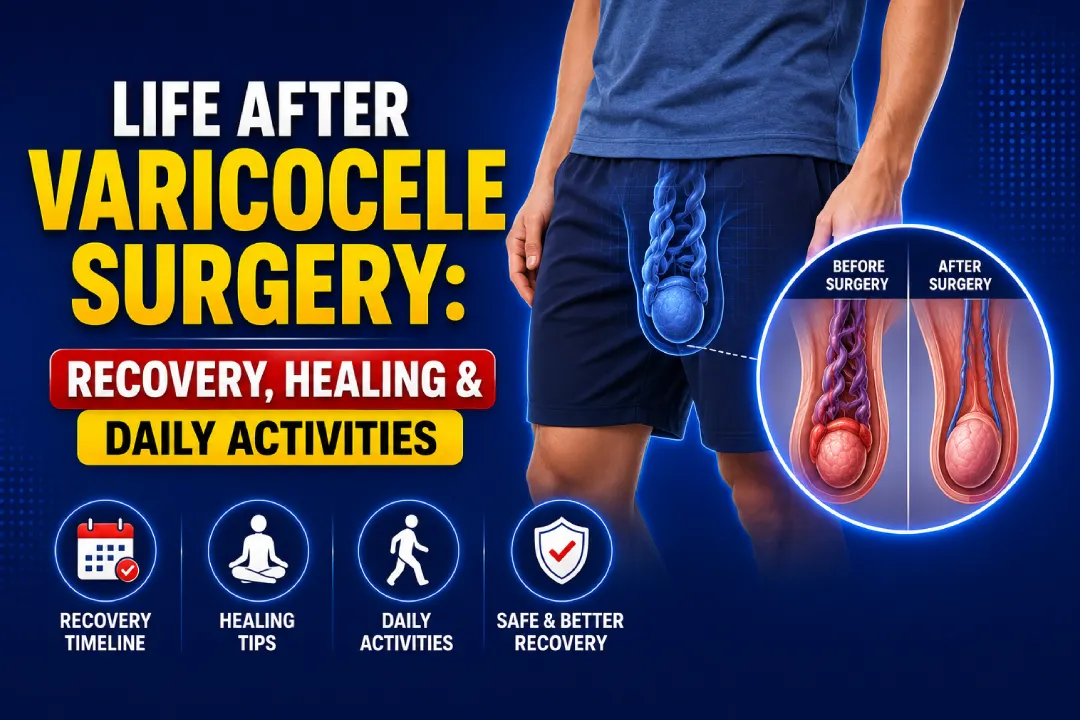
Life after varicocele surgery is an important aspect to understand before undergoing the procedure. Healing is a gradual process, and specific measures must be taken at every stage of varicocele surgery recovery to ensure successful completion.
Of course there will be discomfort, swelling, pain, and other side effects initially but everything will eventually turn around when the blood begins flowing through healthier veins. It is reassuring to understand the process of this surgical procedure and how to care for oneself during healing.
What Is Varicocele Surgery
Varicocelectomy is a surgical procedure to treat a varicocele, an enlargement of the veins surrounding the testicle, which may cause pain and other complications such as skin irritation and infertility.
In this surgery, the problematic veins are either blocked or cut off to channel blood through normal veins. The treatment improves the blood flow in the area. Varicocelectomy can be done in various ways, depending on the specific medical case.
How Do the Veins Change After Varicocele Surgery
Many people are curious about what happens to blood circulation after the unhealthy veins are blocked. Blood is naturally redirected through healthy veins, allowing the treated veins to shrink over time.
Early recovery may include:
- Mild swelling around the testicle.
- Tender or enlarged veins during the first few weeks.
- Reduction in pain gradually as healing takes place.
Good practices to assist in recovery after varicocele surgery include:
- Observing good personal hygiene.
- Engaging in no strenuous activities.
- Taking food that prevents constipation.
- Having appointments for follow-ups.
Persistent swelling of the veins even after several months should be assessed by your doctor, as recurrence remains possible in some patients.
Recovery Period After Varicocele Surgery
The healing experience depends largely on the surgical method used. Recovery after open surgery generally takes more time compared to laparoscopic techniques.
Recovery After Open Varicocelectomy
The open surgery procedure requires an incision and the process is done under general anaesthesia. The healing process is relatively longer since the tissue heals slowly.
Some of the common things people experience include:
- Pain around the scrotum, groin or penis region
- Swelling that can persist for up to several weeks
- Use of prescribed painkillers
- Applying ice packs
The patient should not engage in any form of heavy lifting, pushing, pulling, or other physical activity until otherwise advised by the physician.
Recovery after Laparoscopic Varicocelectomy
Laparoscopic surgery is less invasive, therefore making recovery following varicocele surgery easy.
Patients usually notice:
- Less postoperative discomfort.
- Faster improvement in daily mobility.
- Return to routine activities earlier.
The medication must be taken throughout its course, even after symptoms begin to improve. Self-medication with over-the-counter medicines should not be done without any professional recommendation.
Post-Surgery Care for Varicocele
Care during the healing period is essential to ease symptoms and promote healing. Properly following your doctor’s advice can help prevent complications.
- Medications – Complete the course of painkillers and antibiotics as recommended by your doctor, even when improvement occurs.
- Wear scrotal support – A supportive garment helps minimise movement and reduce discomfort during the initial recovery period.
- Use cold packs – Placing cold packs on the area periodically will help to reduce swelling in the initial days.
- Restrict physical activities – Rest for the first 24 hours and then progressively increase your activity level only after consulting with your doctor.
- Keep up with follow-up visits – Follow-ups are important to make sure that the healing process is going well.
What to Avoid After Varicocele Surgery
Protecting the surgical area helps prevent unnecessary pain and delayed healing.
Avoid the following activities:
- Lifting heavy objects.
- Running or cycling.
- Swimming.
- Aerobic workouts.
- Frequent bending.
- Long durations of sitting without interruption.
Those who have been through open surgery must not rub or scratch the wound until it is fully healed.
Foods for Varicocele Healing Diet
A proper diet aids in recovery without causing digestive problems.
Some food advice that may be useful is as follows:
- Stay away from large meals right after surgery
- Have low-fat foods when eating normally starts again
- Include a variety of fresh fruits and vegetables as part of your daily meals
- Maintain proper hydration by drinking plenty of water throughout the day
- Increase fibre intake to avoid constipation
- Use prescribed laxatives only if recommended
- Avoid caffeinated and alcoholic drinks in the initial seven days
- Having proper varicocele diet foods will ensure there is no stress during defecation
Sleeping, Bathing, Exercise, Work and Sexual Activities
Small changes in your daily routine can make your life easier during recovery from the varicocele surgery.
Sleeping
Sleeping on your back will help ease pressure around the operated region. Using pillows to support your knees could help you feel comfortable until the swelling reduces.
Bathing
Do not bathe during the first 48 hours. Later, you can clean the area around the incision with warm water and soap, without scrubbing the wound.
Exercise
Walk while recovering from the surgery, but avoid any activity that puts pressure on the groin region.
Sexual Activity
Sexual intercourse should only resume after pain resolves completely and the surgical wound heals, which commonly takes around three weeks.
Return to Work
Varicocele surgery recovery time depends on the surgical approach and the nature of your job, with desk-based work usually allowing an earlier return than physically demanding occupations.
Pain Management, Warnings and Fertility
Pain medications and antibiotics are commonly administered after surgery. However, there may be a necessity to take some other drugs in case one suffers from nausea and constipation.
Symptoms that require immediate care include:
- Persistent fever.
- Severe pain despite medication.
- Bleeding from the incision.
- Significant fluid collection around the testicle.
The question asked by many people is can varicocele cause infertility. Management of the disorder can increase sperm motility and quality, as well as hormonal imbalances and sperm count, making it possible to conceive naturally where varicocele is the cause. Recurrence is rare, but follow-ups are still crucial.
Conclusion
A patient’s healing process after an operation becomes simpler if he follows the doctor’s guidelines properly, guards the operated region, eats right, and does not engage in any activity that would interfere with his healing process. Since different people recover at different rates, it is important for the patient to visit the follow-up sessions.
For those who are planning to undergo varicocele embolisation in Mumbai, Dr. Kunal Arora, an accomplished Interventional radiologist, will be able to assist you further in this regard.
Book an appointment today to receive guidance tailored to your condition and recovery needs.