
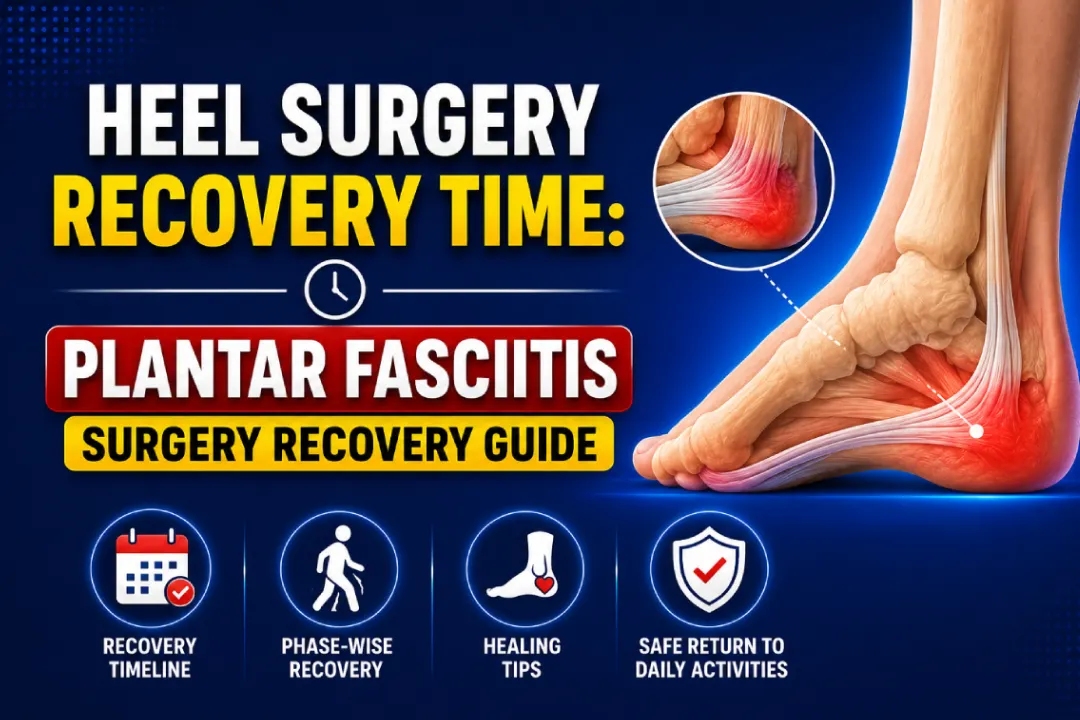
Pain in the feet makes basic activities difficult to accomplish. It could be when you get up in the morning and take those few steps, or stand for a prolonged period of time, or walk just short distances.
Heel pain is largely due to plantar fasciitis, which is caused by an inflammation of the thick connecting tissues found on the bottom part of the foot. People who stand for a long time or are physically active are at high risk of suffering from it.
Surgery becomes the last resort when chronic heel pain does not improve through conservative treatment methods. According to Dr. Kunal Arora, a vascular and interventional radiologist, understanding the recovery process and available treatment options can help patients make informed decisions after recognizing the plantar fasciitis symptoms.
What Is Plantar Fasciitis Release Surgery?
Plantar fasciitis surgery is normally done when six months of non-surgical treatment have not helped to eliminate the heel pain that persists. This is where a part of the tight plantar fascia is released so as to relieve pressure.
The procedure is normally carried out on individuals who are still experiencing problems with their daily routines.
What Is The Average Time Of Recovery?
The heel surgery recovery time differs from one patient to another based on the activity level and the operation procedure. Normally, patients start their regular routine after six to twelve weeks, and the total recovery may take several months.
Recovery Timeline After Surgery
The plantar fasciitis surgery recovery time is usually divided into several periods. All these stages have their own purposes that should be followed.
- Weeks 1-2
The foot receives protection through the use of a surgical boot or some other device with restricted weight-bearing.
- Weeks 3-6
Patients start walking again and may do some stretching exercises recommended by the doctor.
- Weeks 7-12
The patient is able to do the routine activities easily due to the increased flexibility and strength.
- Months 3-6
Activity levels gradually increase during this stage, and patients may be able to resume some higher-impact activities under the guidance of their doctor.
The recovery may give different experiences to everyone, so a regular visit to the specialist is required. The plantar fasciitis surgery recovery does not stop when the surgical wound is healed but goes on as the tissue continues to get stronger.
What Happened During The Early Stages Of Healing?
This is done through resting, keeping the foot elevated, and avoiding movements in order to help the body heal itself. The patient is often required not to put much pressure on the foot until the time comes when the doctor gives permission to do so.
Why Following Weight-Bearing Instructions Matters
A quick return to regular walking can result in more pressure being placed on healing areas. Adhering carefully to the weight-bearing schedule ensures that there is an ideal recovery time for the plantar fascia.
Failure to follow the recovery instructions may delay plantar fascia release surgery recovery and cause discomfort during the rehabilitation process.
The Importance Of Physical Therapy
Physical therapy will become a vital component of recovery once the preliminary healing process has been completed. Simple stretches and strength training can be helpful to regain flexibility and mobility of the foot and ankle area.
Some physical therapy might include stretching of the calf, mobility of the ankle, strength training of the toes, and balance training. All this training will help in recovery after the plantar fascia release surgery.
Tips That Support Better Healing
Recovering well after surgery depends on following simple daily habits that protect the foot while encouraging gradual improvement.
Some useful recovery techniques include
- Keeping the foot that has undergone surgery elevated where possible.
- Use ice packs to relieve swelling and pain.
- Maintaining the dressing for the surgical site clean and dry.
- Attending all the follow-ups.
- Carrying out only the prescribed exercises.
Following the above will help to improve the open plantar fascia release recovery without putting much stress on the healing body parts.
Certain individuals may consult Dr. Kunal Arora to discuss plantar fasciitis embolisation in Mumbai and determine the most suitable treatment option based on their condition.
Selecting Suitable Footwear Post-Surgery
Comfortable footwear is needed during the recovery process. The use of supportive footwear reduces strain on the injured area by offering the feet adequate cushioning and support for the arch.
Barefoot walking or flat shoes may cause additional strain on your feet. Selecting comfortable footwear will be critical during the recovery period following the surgery.
The Success Of Recovery Post-Surgery
The plantar fasciitis surgery success rate is quite optimistic for the right candidates who have not seen improvements through non-surgical treatments. The process of successful recovery from the surgery is dependent on the surgical process and post-rehabilitation guidelines.
People who play an active role in the recovery process, wear comfortable shoes, and follow the rehab process see improvements in their condition.
When Should You Contact Your Doctor?
Follow-ups ensure monitoring of the patient’s state after undergoing surgery. Swelling, pain and wounds that get worse rather than better throughout the recovery process need attention from your healthcare provider.
If you have pain or trouble moving beyond your normal recovery period, or other symptoms that may signal an infection, you cannot ignore them. People who have heel pain after waking up, even after being treated, must visit the doctor.
Staying Patient Throughout Recovery
Healing after surgery for the plantar fascia takes time, and therefore, being patient is a crucial element in the healing process. Everyone heals differently, and comparing oneself with another individual during the healing process could lead to unwanted worries.
Following all medical advice, setting realistic expectations, and steadily working toward more activities will go a long way towards achieving a positive plantar fascia release recovery.
Conclusion
The process of recovery after getting the procedure of releasing the plantar fascia involves a series of efforts and dedication that must be done appropriately to ensure recovery goes well, and one can get back to their normal lives comfortably.
If you have a problem with heel pain and wish to know more about the treatment procedure, you may consider visiting Dr Kunal Arora, who is a vascular and interventional radiologist in Mumbai.