
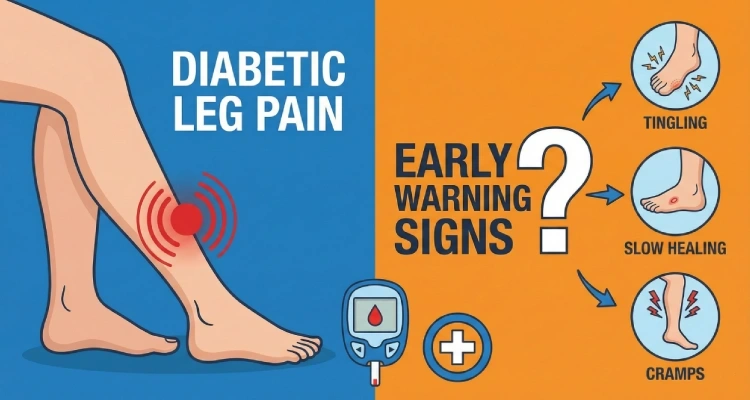
Have you ever ignored aching legs, tingling feet, or sudden cramps and wondered whether they could be signs of diabetes? Diabetic leg pain often begins quietly, showing signs during routine daily activities. Diabetes may impact your feet in ways that are not easily noticeable.
Reduced blood flow and nerve damage can present themselves as burning sensations, numbness, slow-healing sores, and weakness that increases quietly. These signs are ones to be taken seriously, as delaying may invite infections, balance problems, and a lifetime of mobility troubles.
This guide identifies some of the early warning signs you must pay attention to and lets you know why listening to your legs today does matter tomorrow.
What is Diabetic Leg Pain?
Leg pain diabetes can be described as pain which arises in relation to nerve and blood vessel damage in a diabetic individual’s legs and feet. High glucose concentrations in a diabetic patient can cause damage to nerve endings in the legs and feet, a condition referred to as diabetic neuropathy.
Diabetic patients can experience pain in their legs, which can be in the form of stabbing, burning, aching, or pinpoint pain in specific parts, often linked to poor blood circulation diabetes. Other patients can experience a loss of sensations rather than pain in their feet.
Why Diabetes Induces Leg Pain
Diabetes affects the body’s regulation of sugar in the blood. High sugar levels in the blood damage nerve fibres and contribute to poor blood circulation in legs diabetes, which reduces the ability of small blood vessels to supply nutrients to the nerves. The damaged nerve fibres have difficulty transmitting signals to the brain, resulting in pain, unusual sensations, or a lack of sensations.
Poor blood circulation is another pain factor. The reduced diabetes poor circulation deprives the leg and foot regions of sufficient oxygen, making pain worse and delaying leg pain relief in diabetic patients.
How Diabetes Can Affect Legs and Feet
A number of various internal alterations in a diabetic patient’s body can cause leg pain. Excess glucose damages small vessels in the body, which can lead to leg pain in diabetes due to poor circulation in the lower limbs. When these nerves lack sufficient blood supply, they become irritable or dysfunctional.
A burning, tingling, or shocking pain can occur, and PAD symptoms in diabetic patients often appear alongside these sensations. Additionally, cramps and spasms in muscles can arise because of nerve damage. The impacted muscles become weak over time, which leads to alterations in a diabetic patient’s walk and a reduced sense of balance, in addition to pain.
Common Symptoms of Leg Pain in a Diabetic Patient
Symptoms may differ for each individual. However, some patterns are very noticeable. Initially, symptoms may arise in the feet, and thus, foot ulcers with diabetes may be the result of a reduced sensation and slow healing that has been going on for a long time.
Nerve-Related Symptoms
- Pain: Sharp, stabbing, shooting, or burning sensations that usually become worse at night.
- Tingling: A pins and needles sensation that can occur in the feet or lower legs.
- Cramping: Muscle cramping in the calves, thighs, and buttocks that is particularly caused by exertion.
- Numbness: Noticing that the feet and toes are dull in sensation or that there is an absence of feeling.
- Extreme Sensitivity: Displeasure that is caused by a very light touch, for example, by bed sheets.
Circulation-Related Changes
- Hair Loss: Poor hair growth in the toes, feet, and lower leg regions
- Skin Modifications: Dryness, cracking, colour change, variations in skin temperature, and thickened, yellow toenails.
- Wounds Which Heal Slowly: Cases where blisters, ulcers, and sores take time to heal
Other Noticeable Signs
- Muscle Weakness: Leg muscles will have weak strength
- Coordination Problems: Problems with balance or walking on an uneven surface
- Infections: Repeated foot or toenail infections because of poor healing and a lack of sensation
Screening & Monitoring Diabetic Leg Pain
Those with diabetes can benefit from checking for diabetic foot problems. Annual checkups usually include assessments for nerve damage and poor blood flow in the legs, and these evaluations also explain how PAD diagnosed, using circulation checks and clinical examinations. No single test focuses only on leg pain, so open communication with a doctor remains essential. New discomfort or worsening symptoms should always be discussed promptly.
Routine evaluation may include:
- Testing sensation and reflexes in the feet using specialised tools
- Measuring cholesterol levels and blood pressure, which influence nerve and vessel health
- Discussing additional symptoms that may point toward nerve or circulation problems
Treatment Options for Diabetic Leg Pain
The care plan will be based on the cause and severity of symptoms. Pain relief medications may be suggested to ease discomfort. Certain drugs achieve their effect by inhibiting the nerve signals that carry pain sensations. A therapeutic program may help in the areas of muscle strength, flexibility, and diabetic foot circulation. Besides, some patients have been positively impacted by massage therapy, electrical stimulation, and acupuncture.
Daily habits also play an important role, especially for people managing PAD in diabetes. Regular stretching and gentle exercise support blood flow and joint movement. Supportive footwear reduces pressure on sensitive areas of the feet. Resting the legs, avoiding excessive strain and opting for PAD treatment in Mumbai helps prevent flare-ups. Applying heat or cold to the legs may offer short-term relief from pain or soreness related to diabetes.
Preventing Diabetic Leg Pain
Prevention requires a proactive diabetic care, and good sugar control is what keeps nerves and vessels from being damaged. A healthy diet is also a great way to encourage good blood circulation and nerve function. Exercise, on the other hand, is the surest way of keeping blood flowing well in the legs. Early signs of peripheral artery disease in diabetes require immediate medical attention. Good management prevents serious pain and serious diabetic complications.
When Medical Attention Becomes Necessary
Symptomslike leg pain, leg numbness, changes in leg skin or blocked arteries in legs due to diabetes should definitely not be ignored. A doctor’s advice will help to determine the cause and decide the proper diabetic foot treatment in Mumbai. Getting checked at the earliest results in improved recovery and prevents the condition from getting worse. Moreover, expert help is also fruitful in devising a tailored diabetes management as well as keeping the legs healthy.
Conclusion
Diseases like leg pain due to blocked arteries diabetes are signs that the body is changing and requires immediate medical attention. Knowing the signs early and continuously checking and controlling diabetes will be very effective in relieving such pain and keeping the legs functional. A medical evaluation is necessary to find out if there is any problem with the nerves or the blood circulation in the legs.Dr. Kunal Arora, the best Interventional radiologist in Mumbai, with years of experience, can help you with reliable vascular and interventional care. Consulting with our expert can make a big difference. Consult with Dr. Kunal Arora today to start taking steps in the right direction towards better legs.