
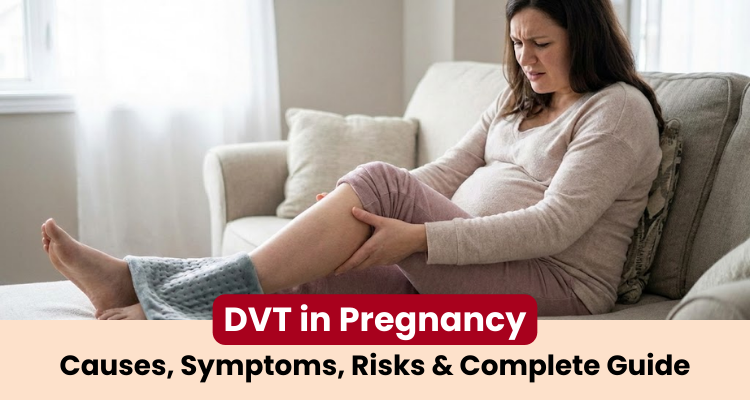
Pregnancy brings numerous changes, many of which are exciting, yet there are certain health concerns that ought to receive attention as quickly as possible. One among these is DVT in pregnancy. Since the body naturally forms clots more easily to prepare for delivery, there is an increased chance of developing DVT.
DVT (Deep Vein Thrombosis) does sound daunting. Often, an early recognition of the problem can make a great difference. This guide walks you through the causes, symptoms, and complete treatment options of DVT so that you have the knowledge and confidence to overcome it during your pregnancy.
Why Is Pregnancy a Risk Factor for DVT?
A woman is at a higher risk of deep vein thrombosis in pregnancy as the body generates more clotting proteins in order to lessen the bleeding that will be heavy during delivery. The decrease in the levels of anticoagulants makes it even more difficult for the body to resist clot formation, and thus, the occurrence of blood clots becomes a natural physiological change.
The growing uterus is also the reason for the raised pressure in the veins of the legs when it presses the vessels that carry blood to the heart. The risk is high during delivery and goes on for nearly six weeks after the birth. Some factors raise the chance of it further.
Some of the major causes of DVT in pregnancy are
- A personal or family record of previous clots
- Extra body weight
- Carrying twins or more
- Using medicines such as estrogen hormones, or previous use of birth control pills
- Limited movement due to long travel, bed rest, or recovery after birth
- Diabetes
- High blood pressure
- Age above 35
- Conditions like severe infection, cancer, or pre-eclampsia
- Cesarean delivery
These situations demand extra attention since they make clot formation easier during and after pregnancy.
Symptoms of DVT During Pregnancy
DVT most often affects one leg, especially the left leg. Some women notice discomfort early, though some remain unaware of the signs and symptoms of DVT in pregnancy.
Some common early signs of DVT include,
- Severe pain or tenderness in one leg
- Pain that increases while walking or standing
- Pain that intensifies when your foot lifts toward your knee
- Warm skin on the affected part
- Clearly visible veins
- Red or discoloured skin on the lower leg
- Bluish toes
- Mild to severe swelling
When comparing varicose veins vs DVT, some cases of DVT may not show any obvious symptoms. This mostly happens after surgery or in women with other risk factors.
Because DVT can be serious, a detailed examination is mandatory for a pregnant or postpartum woman with multiple risk factors in order to prevent DVT, particularly after a caesarean delivery.
How Doctors Diagnose DVT?
Diagnostic Tests
A doctor evaluates the symptoms and undertakes a diagnosis of DVT in pregnancy to confirm the presence of a clot.
Ultrasound
A detailed image appears on a screen using sound waves. This helps reveal blood flow in the veins and any blockage.
MRI
A clear and layered picture of the body helps doctors assess deeper clots that ultrasound cannot detect.
Treatment Options for DVT in Pregnancy
Treatment focuses on preventing the clot from growing and avoiding complications.
Medicines
Doctors commonly prescribe anticoagulants that thin the blood and stop new clots from forming. Certain heparin-based injections are safe throughout pregnancy since they do not cross the placenta. A haematologist may guide the treatment in complex situations.
Women continue taking these medicines for several weeks after childbirth. If DVT is detected late or after delivery, the treatment may need to continue longer.
Surgical Procedures
A few cases require additional procedures, such as:
- Placing a special filter in the inferior vena cava to stop a clot from reaching the lungs
- Thrombolytic therapy may be used to dissolve large clots in rare cases.
- Surgical removal of a large clot may be required in rare situations.
Self-Care Measures
- Wearing compression stockings help veins & DVT
- Stay active according to your doctor’s advice
- Take only approved pain relievers
How DVT Affects the Baby?
DVT treatment in Mumbai is carefully managed during pregnancy to protect both mother and baby. Heparin drugs are kept safe through pregnancy, as they are not transmitted via the placenta. The doses of anticoagulants are changed by doctors before labour to make the delivery safe.
If a woman is going to feed the baby with her milk, she might have to stop some medicines after the birth, based on the treatment plan. In a few cases only, it could be that a person with a mechanical heart valve will be given a warfarin prescription. This drug is a source of greater dangers and requires a very careful check-up by the doctor.
Possible Complications of Untreated DVT
If DVT is left untreated, it may lead to complications of DVT in pregnancy:
- Long-lasting swelling
- Fluid buildup
- Pulmonary embolism in rare cases
- Venous gangrene involving toes or fingers
- Chronic post-thrombotic syndrome leading to ulcers and leg pain
- Bleeding side effects due to anticoagulants
- Report unusual bruising or bleeding to your doctor immediately.
Ways to Lower Your Risk of DVT During Pregnancy
Complete prevention is impossible, yet certain steps can reduce risk.
- Stay active through pregnancy with safe movement
- Use compression socks while travelling
- Move your legs regularly during long sitting periods
- Wear support hose
- Quit smoking if you smoke, and follow a proper DVT diet foods
- Seek immediate medical attention to address the signs, including pain, swelling, or redness
High-risk individuals sometimes receive preventive doses of heparin throughout pregnancy or during the postpartum period. Follow the DVT in pregnancy guidelines to help prevent its occurrence or seriousness.
When to Call Your Doctor
Seek medical attention immediately when you experience
- Leg pain that worsens during walking or standing
- Red, swollen, or warm areas on the leg
Quick care helps reduce the risk of DVT in pregnancy and protects both you and your baby.
Conclusion
Pregnancy introduces many changes that strengthen your awareness of your body. DVT becomes a serious concern during this time because the leg veins work harder, and the body’s clotting response increases. Early recognition of signs of DVT in pregnancy and timely testing keeps you safe. Treatment works well and continues to protect you through the postpartum period. Supportive care, healthy habits, and regular medical guidance make an important difference.
For any vascular issues, Dr. Kunal Arora, a leading Interventional Radiologist in Mumbai, is your best option to get the advanced care you need. His journey as a trusted expert in the field is marked by his extensive training, excellent academic record, and specialised experience in the area of minimally invasive treatments.
Book a consultation with Dr Kunal Arora to get accurate, patient-centred, and less-invasive intervention care in Mumbai.