Heart problems usually begin with gentle hints within you. These early clues are more critical than people realise. Your body attempts to signal something through subtle changes, like in your breathing, energy levels or comfort. So it is important to recognise those early signs of blocked arteries to maintain your heart’s health.
Every sensation or change has a message to warn you. And the earlier you pay attention, the better you will be prepared against serious problems. Even small choices shape lifelong heart health, and learning these signs can give you an extraordinary advantage. This guide walks you through clear symptoms, everyday triggers and practical steps that support a healthier heart.
Understanding Blocked Arteries
Blocked arteries are caused by a gradual alteration in the blood vessels that carry oxygen-rich blood to the organs and tissues. Normally, arteries are smooth and flexible, but when their inner lining gets damaged, they stop working as they should.
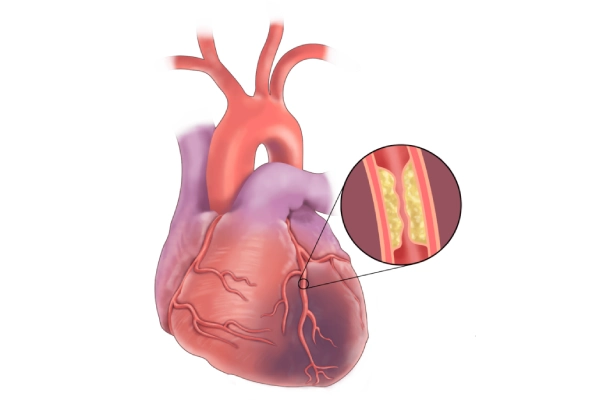
High blood pressure, high cholesterol, smoking, diabetes and inflammation are common causes of this damage. Once the lining is injured, cholesterol and other fatty particles start collecting in that area. The body tries to repair the damage by sending immune cells which create a layer of tissue over the buildup. This forms a plaque.
As the plaque grows, it can harden and narrow the artery. This leaves less space for blood to pass through. The sign of block arteries happens quietly without any warning signs. Most people notice symptoms only when the artery becomes very narrow or when the heart needs more oxygen, especially during exercise or stress.
Early Warning Signs You Should Pay Attention To
- Chest Pain, Pressure, or Discomfort
Most people know that the first symptom of trouble in the chest area is discomfort. Stiffening of the chest is still one of the most common signs of blocked arteries. There could be a feeling of the chest being tight, heavy, warm or a little painful.
It could have been caused by physical exertion, stress or an emotional state. The discomfort is normally gone when the person rests. A very small feeling of chest pressure is also something that should be looked at, as it is a sign of the heart muscle receiving less blood.
- Unusual Fatigue or Lower Energy
Unexplained fatigue may be an initial symptom of those whose blood flow is compromised. There are people who become tired only after a very light activity, while to some others, the decrease in their general endurance is the only thing they can notice.
More women are affected by this symptom and sometimes attribute it to everyday fatigue. The heart requires a constant flow of blood, and if anything goes wrong, you may experience changes in energy.
- Shortness of Breath
Breathlessness during walking, climbing steps or lying flat can appear when the heart struggles to pump blood efficiently.
A lot of people sense this feeling little by little, and some people experience it abruptly during a physical activity. The insufficient oxygen supply to the muscles and other organs causes the occurrence of a shortness of breath feeling, even when the effort is very slight.
- Radiating Pain in the Arm, Jaw, Neck or Back
Referred pain occurs when the pain travels to other parts of the body. Some experience pain in the left arm, jaw, neck, shoulder or upper back at times of stress.
Such pains may also come and go and may exacerbate with activity. This shows the heart signalling distress due to reduced blood flow.
- Irregular Heartbeat or Palpitations
A racing, fluttering, or skipping heartbeat is a sign of decreased blood supply to the heart tissue. Infrequent palpitations may seem harmless.
However, frequent episodes require evaluation. The heart depends on electrical signals to keep it beating properly. If there is any disturbance in circulation, it may affect the balance.
- Cold Sweats or Excessive Perspiration
Sudden cold sweats, especially when resting, are symptoms that indicate the heart works under stress. Dizziness and nausea are other accompanying complaints people often report along with sweating.
Such moments should be seriously dealt with, as they are signs of blocked arteries in heart, showing there is an internal struggle to maintain proper blood flow.
- Indigestion, Heartburn, or Stomach Discomfort
Digestive symptoms may develop as a result of the body redirecting blood to the most vital organs when the heart is under pressure. In this case, bloatedness, nausea and mild stomach discomfort may appear to be completely unrelated.
But these symptoms appear in many people as the early sign of block arteries. Such sensations confuse an individual because they could pass for normal stomach complaints.
- Dizziness or Lightheadedness
A sudden spinning sensation or faint feeling may appear with reduced circulation. Repeated episodes clearly indicate the need for the evaluation of the heart.
The restricted flow of blood affects the brain and creates a fall in balance and awareness.
- Swelling in Feet, Legs or Ankles
The fluid buildup appears due to weakened circulation and the lowered ability of the lower part of the body to return blood to the heart.
The frequent swelling around the ankles or legs shows that the heart is inefficient. These warning signs of blocked arteries are slow to appear and become noticeable by a feeling of heaviness in everyday activities.
- Sleep Disturbances
Sleep disturbances are a common complaint among people with early blockage of the arteries. Some wake up breathless, others snore heavily and many cannot stay asleep.
The disturbances appear because the heart has to work harder during rest to maintain circulation.
Causes of Blocked Arteries
- High cholesterol
- Hypertension
- Smoking
- Diabetes
- Excess weight
- Ageing
Blockages in arteries could be experienced by the young, even if these risk factors are present.
Treatment Options
Medicines
- Statins act to lower cholesterol levels and stabilise plaques
- Anticoagulants, like warfarin, which prevent blood clots
- Antiplatelets, including aspirin or clopidogrel that reduce clot formation
- Nitrates facilitate the relaxation of the blood vessels
- ACE inhibitors or ARBs lower blood pressure
- Beta blockers help the heart relax and function more efficiently
Surgical Procedures
- Angioplasty
Angioplasty is performed to treat coronary artery disease and certain cases of heart attack. During this procedure, a small balloon is put into the narrowed artery and inflated. After deflating and removing the balloon, a metal mesh tube called a stent is usually placed to keep the artery open and prevent it from narrowing again.
- Coronary Bypass Graft Surgery
People with many severely narrowed arteries may require coronary bypass graft surgery, in which a healthy vessel is attached to the obstructed artery to reroute blood flow around the blockage.
- Other Arterial Treatments
Treatments may vary because blockage may also occur in certain arteries outside the heart. It can be anywhere, like legs, pelvis or neck. Placing a metal stent or widening the artery with a balloon depends on the blockage the patient has.
Summing Up
Early signs and symptoms of blocked arteries receive timely attention when simple changes become part of life, and heart care becomes stronger. Timely treatment and guidance from an expert makes this journey easier.
Dr. Kunal Arora, the best Interventional Radiologist in Mumbai, offers advanced care through less invasive vascular and interventional treatments. His extensive experience with treatments at the Endovascular Care Centre in Mumbai supports patients in seeking safe and effective solutions.
Call us today to discuss your symptoms and take another step forward toward greater well-being of your heart and vascular systems.