Ever sat for a long period of time, like a lengthy flight or a long drive, and then looked down at your legs? That sudden swelling can feel strange and unexpected. Legs may look bigger, feel tight, or seem unusually heavy after hours of sitting still. Many people ignore it, assuming the swelling will fade after a short walk. That reaction feels natural, yet leg swelling deserves more attention.
Some one-leg swelling causes are harmless, linked to posture, heat, or daily habits. Other reasons point to blood circulation issues or underlying health concerns that should not be brushed aside. Certain signs appear slowly and quietly, making them easy to miss.
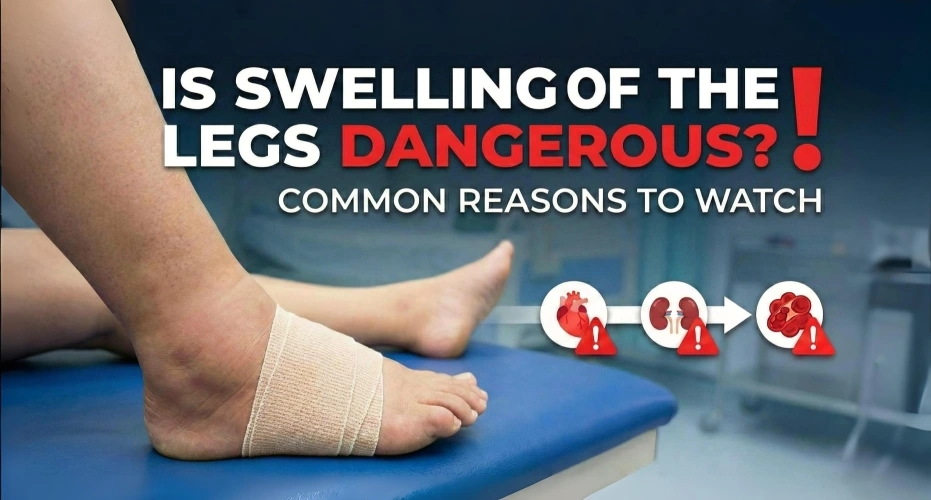
This brings up an important question worth asking: is swelling of the legs dangerous? Read on this varicose veins guide to explore the common reasons you should never ignore.
What is Leg Swelling?
Leg swelling, also called edema, results from increased fluid accumulation in the tissues. The legs as well as the ankles usually swell more easily due to the force of gravity acting on the fluid in the body. During long travel or extended sitting, blood flow in the legs can slow. Limited movement places pressure on veins and allows blood to pool.
The good news for this type of swelling is that walking and moving help normalise blood circulation. Swelling reduces when normal circulation returns.
Other causes of left leg swelling, right leg swelling or both:
- High Salt Intake: Excessive salt causes the buildup of fluid in the body
- Weight Gain: Increased weight in the body results in increased pressure
- Lymphedema: Impaired lymph circulation causes the build-up
- Injuries: Swelling occurs as a result of a sprain or fracture
General discussion of swollen legs can be a sign of circulatory/venous-related issues, prompting people to wonder what is the reason for leg swelling. Fluid retention in the small blood vessels leaks into the tissues of the legs. Swelling of the ankles, feet, calves, and thighs may be noticeable. Damage to veins, deep vein thrombosis, and poor function of veins may cause this problem.
Prolonged swelling that, over time, worsens may be linked to heart failure, kidney disorders, or liver disease. Medical evaluation becomes important if such left and right leg pain and swelling remain constant or progress.
Causes of Swelling in the Ankles and Legs
Fluid retention in the lower legs generally develops from three primary non-heart-related systems. Problems in the leg veins rank among the most common both leg swelling causes. Other important systems include the kidney and the lymphatic system.
Venous Insufficiency
Veins return blood toward the heart. Valves within veins prevent backflow, particularly in the legs, and problems in this process explain why legs get swelling. These valves are an essential component of the circulatory system. Heart pressure, especially, has little effect on the flow of venous blood.
During walking or moving, muscles in the legs act as pumps, compressing the veins with each step and forcing the blood upward toward the heart. When the legs are still for long periods, this pumping action is reduced. Pressure builds up inside the veins and tends to stress the valves.
Vein valves get weakened over time by excessive pressure. Blood starts to pool in the legs, and the blood ceases to move upward. This is considered to be a condition called venous insufficiency.
The effects of venous insufficiency most clearly appear as lower leg swelling. Common signs include swelling by evening, heaviness, aching, and tired legs, while visible varicose veins and spider veins often develop as early indicators.
Deep Vein Thrombosis
The superficial veins on the skin’s surface produce visible varicose veins. Deep veins located inside the muscles also contain valves and face similar problems, which is why timely care, such as DVT treatment in Mumbai, becomes important when circulation issues or clots are suspected.
Blood accumulation in the venules heightens the risk of the formation of clots. A blood clot occurring in the veins is termed a thrombus. Right leg swelling or swelling in one leg may appear as blood flow from the legs slows and swelling worsens.
Serious risk appears when a clot breaks loose and travels to the lungs. This condition is termed pulmonary embolism. Repeated bouts of deep vein thrombosis can cause damage to the veins, which results in right leg pain and swelling.
Other Contributors to Edema
Swelling does not always originate in the veins of the legs. One leg swelling or swelling in both legs can appear when many health conditions impact the overall balance of fluids within the body. This additional fluid is pulled by gravity into the lower extremities.
Contributors commonly include the following:
- Heart Conditions
When there is heart failure, there is an accumulation of body fluids.
- Kidney Disorders
Water retention occurs due to decreased filtration.
- Liver Disease
Protein imbalance causes leakage of fluid.
- Lung Conditions
Oxygen imbalance affects the circulation.
- High Body Weight
Additional pressure will impede blood flow.
- Medication Reactions
Certain drugs cause fluid retention.
- Thyroid Disorders
Hormone imbalance affects tissue fluid.
- Pregnancy
Increased volume and pressure cause calf swelling.
- Limited Mobility
Reduced mobility causes slower circulation.
Swelling causes often go unnoticed or misdiagnosed, which raises an important concern about is edema dangerous in the long run. Persistent leg swelling calls for evaluation by a specialist experienced in vein and circulation conditions.
When Should I Worry About Leg Swelling?
While slight swelling occurring from time to time might not necessarily need to be attended to urgently. But there are swollen legs symptoms that must never be ignored, regardless of their severity.
- Sudden Swelling: Sudden leg swelling for no apparent reason might indicate that a blood clot is forming in the legs
- Skin Changes: Redness, warmth, and tightness are indicative of an infection or inflammation.
- Pain or Tenderness: If swelling is accompanied by pain and swelling in calf of leg, it is a sign of clotted veins.
- Breathing Difficulty: Swelling accompanied by difficulty breathing can indicate problems associated with the heart.
Prompt medical evaluation from a doctor for swollen legs helps avoid complications of serious medical conditions. Early diagnosis can help find the problem due to vein problems, heart, kidney, or liver conditions. This also minimises the chance of worsening of early signs of blood clot in leg, chronic pain, or long-term circulation issues with early treatment.
When to Take Medical Care
The warning signs of legs getting swollen deserve an immediate review from the medical personnel. Delays in care may simply allow the problems that might underlie to worsen. Detailed evaluation by a varicose veins doctor in Mumbai aids in identifying the exact cause of the condition.
Diagnostic tests guide proper treatments. Early care not only reduces health risks but also supports long-term leg health, improve blood circulation in legs, prevents complications such as blood clots or infections, and ensures overall well-being for the patient.
Conclusion
Swelling on the right leg and foot or both legs may be minor-looking, although the more serious ones usually hide beneath the surface. Also, recognising swelling patterns is significant in identifying serious health threats. Avoid treating swelling yourself if it persists.
Dr. Kunal Arora is a vascular and Interventional radiologist in Mumbai, practising with more than eight years of superspeciality experience and 12 years of overall clinical practice. He specialises in non-surgical, minimally invasive management of varicose veins, deep vein thrombosis, and other vascular diseases. Diagnosis of swelling in one leg no pain, at our clinicaids in proper treatment, safety, and long-term relief. Book your appointment today!