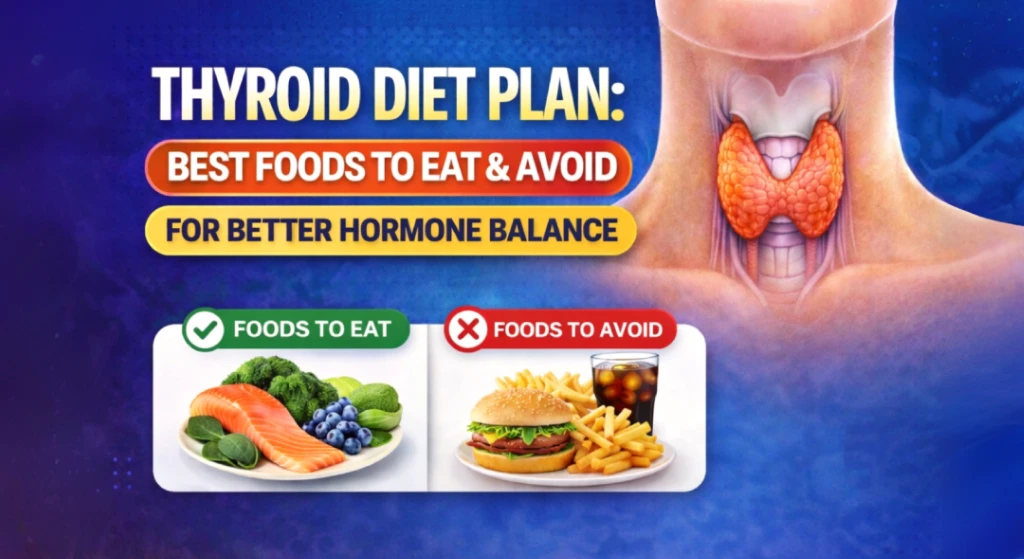
The thyroid is a small gland located in your neck. Despite its size, this gland plays a huge role in keeping your body balanced and active. It regulates hormones that control essential functions like metabolism, energy levels, and overall well-being.
A minor malfunction in this gland can affect several other organs in your body, making it important to understand how to manage thyroid health effectively. This condition is quite common, especially in women, and its symptoms can often be subtle, misleading, or easy to overlook.
The major concern about this disease is that the symptoms are not only subtle but may at times even remain undetected. Following a proper thyroid diet can help manage the condition more effectively. In this blog, take a look at the best foods to include and avoid for maintaining healthy thyroid function.
Two Major Thyroid Disorders
In essence, there are only two types of thyroid diseases. Each type of thyroid disease works differently in the body. One must know how a certain disease works in order to know the right thyroid food diet.
- Hypothyroidism: This condition occurs when the thyroid produces too little hormone. Slow metabolism is experienced; hence, conditions such as fatigue, obesity, constipation, dry skin, and sensitivity to cold are encountered. Medicines such as Levothyroxine should be consumed.
- Hyperthyroidism: This is a situation where excess hormones are produced by the thyroid glands. Observance of a diet plan for thyroid patient is important to complement treatment. High metabolic rate leads to diseases such as weight loss, high heart rate, anxiety, sweating, tremors, and insomnia.
Hypothyroidism Diet Plan (Underactive Thyroid)
To manage hypothyroidism, one must make use of both medication and diet. A well-planned diet for thyroid patients is an effective factor that can influence hormone levels and symptom improvement.
What to Include in Your Diet
- Iodine-Rich Foods
The production of thyroid hormones depends on iodine. Sources of Iodine are Table salt, marine algae, codfish, and tuna fish
- Selenium
It helps convert T4 and T3 and also helps shield the thyroid gland from harm. Sources of Selenium are Brazil nuts, tuna fish, sardines, eggs, and legumes
- Zinc
Aids in hormone production and thyroid gland function. Dietary Sources: Oysters, shellfish, meat, poultry, pumpkin seeds, and beans
- Tyrosine
An amino acid used to make thyroid hormones using iodine, and it can support a balanced thyroid nodules diet plan when included in daily nutrition. Dietary Sources: Meats, fish, dairy, avocados, and bananas
- Anti-Inflammatory Foods
These reduce inflammation, especially in cases of autoimmune disorders such as Hashimoto’s disease. Sources of food: Fatty fish, olive oil, berries, dark green vegetables, and nuts
What Not to Eat with Thyroid Hypothyroidism
It is necessary to have a well-balanced approach, which includes a proper diet to shrink thyroid nodules, however, there are some foods that should be consumed in moderate amounts as they affect the thyroid gland.
- Goitrogenic Foods (In Moderation): They can impact the utilisation of iodine by the thyroid gland. Types: Broccoli, cauliflower, cabbage, kale, brussels sprouts, soy, and millet. Instead of these, look for the best food to reduce thyroid and its effects, which are consumed
- Soy Foods: Soy can impact the utilisation of thyroid medication. It is recommended to have a separation period of three to four hours between taking the medication and eating
- Gluten (Potentially): People suffering from Hashimoto’s may feel better if they eat less gluten. It’s best to make such dietary changes under medical guidance, and consulting a specialist like an interventional radiologist in Mumbai can help you make informed decisions based on your condition
- Processed Food Items: Foods that are high in sugars and unhealthy fats cause increased levels of inflammation and may lead to obesity, which is a problem in the case of hypothyroidism
Your Hyperthyroidism Diet Plan (Overactive Thyroid)
- Nutrient-Dense and High-Calorie Foods: High metabolism means more calories are needed, and the right food to eat to reduce thyroid activity can support better balance in such conditions. Examples of such foods are avocados, nuts, seeds, and whole milk yoghurt
- Calcium and Vitamin D: Both nutrients assist in maintaining strong bones since hyperthyroidism causes bones to become brittle, and they also support a proper diet for thyroid nodules when included as part of a balanced meal plan. Food sources are dairy foods, fortified juices, canned salmon, almonds, and leafy vegetables
- Cruciferous vegetables (goitrogens): Cruciferous vegetables reduce thyroid hormone levels by only a small extent. Examples of cruciferous vegetables include cauliflower, broccoli, and kale
- Iron: Iron helps prevent anemia which is brought about by a high metabolic rate. Foods that contain iron include lean meat, poultry, beans, and fortified cereal
A well-planned diet can support symptom control. In cases where nodules are present, treatments like thyroid nodule microwave ablation in Mumbai can be considered along with proper nutritional care for better management.
What Not to Eat in Thyroid: Hyperthyroidism
Certain foods can make conditions worse for those suffering from hyperthyroidism and need to be controlled effectively.
- Iodine Overload: Increased consumption of iodine leads to increased thyroid hormone production. Iodised salts, seaweed, kelp, and other iodine supplements need to be avoided
- Stimulants: The use of stimulants can increase anxiety and heart rate. Consuming less coffee and tea can help manage symptoms
- Dairy Productions (high fat) (in case of digestion problems): In some cases, people suffering from hyperthyroidism face digestive problems such as diarrhoea due to high-fat foods
A Proactive Partnership in Your Thyroid Health
Food to reduce thyroid is considered an important component in addressing thyroid problems, but a medical solution cannot be replaced with it. These two elements have to be taken into account when considering how to avoid any complications. The input from a health care expert or a dietician will help you create a personal diet program that suits you best.
It is important to state that there will be some changes to the way you eat, which will influence your energy levels and hormones. It is also useful for one to know the difference between thyroid nodule vs thyroid cancer, as this can support timely diagnosis and appropriate treatment.
Conclusion
Thyroid management needs care, dedication, and proper direction. It helps to ensure that you benefit from the treatment and that your symptoms are eased, but what’s important for you is to make sure that you have the support of a qualified expert to achieve that end.
The most important step is for you to see an expert like Dr. Kunal Arora, an interventional radiologist in Mumbai. Our expert will guide you in choosing the best treatments, such as thyroid embolization without surgery, depending on your condition.
Ensure that you get a healthy thyroid balance by eating healthy food and seeking the help of an expert.